Why a Gin Bar Is a Must Visit for Travelers
There are cities you remember by their skylines, and cities you remember by what was in your glass at 10:30 on a rainy Tuesday night. Travelers often build itineraries around landmarks, museums, beaches, or shopping streets, then treat the evening as spare time to fill. That is a mistake. Some of the clearest impressions of a place arrive after dark, in the small rituals of drinking, talking, and watching locals unwind. A good Gin Bar offers exactly that kind of access.
Not every bar deserves a stop. Plenty are interchangeable, built to flatter tourists rather than reflect a destination. A serious gin-focused bar is different when it is done well. It tells you something about local taste, hospitality, design, pricing, agriculture, and even the city’s relationship with craft and tradition. For a traveler who wants more than a photo and a checklist, that matters.
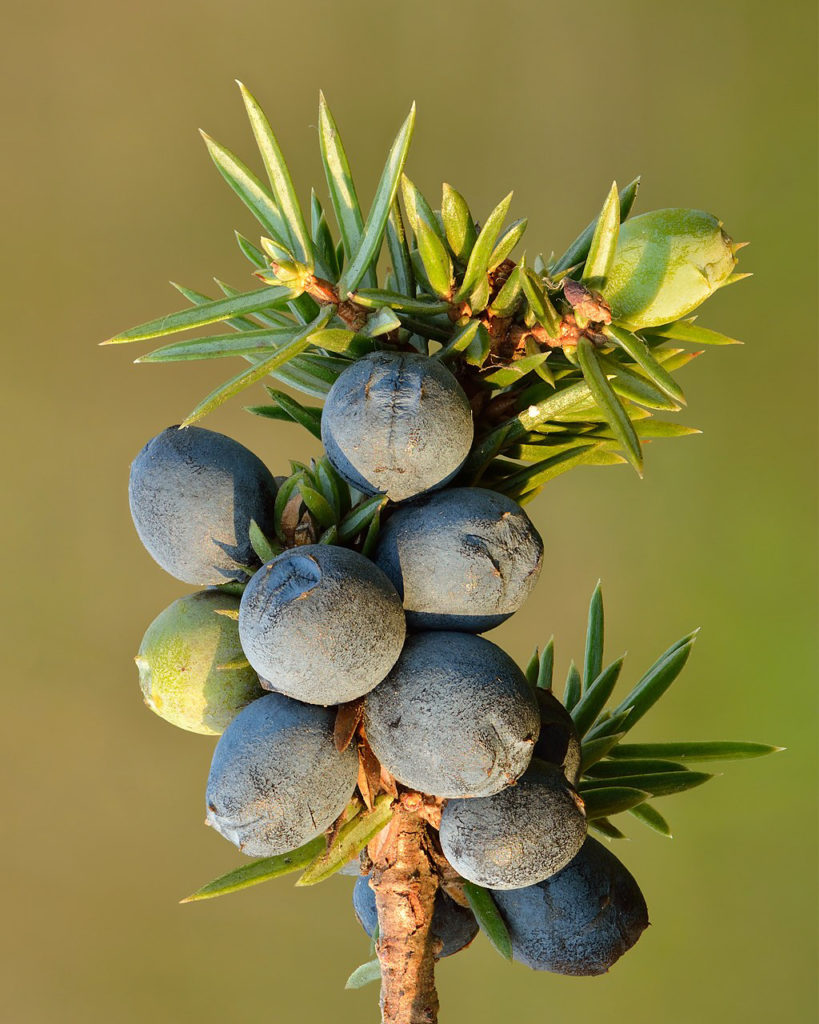
Gin has another advantage. It is one of the most expressive spirits in the world. The juniper is the spine, but almost everything else can shift, sometimes dramatically. Citrus peels, roots, herbs, flowers, peppercorns, coastal botanicals, alpine plants, tea, local fruit, and regional spices all find their way into a bottle. When those choices are thoughtful, a Gin Bar becomes less like a generic drinking venue and more like a tasting room for place and personality.
A faster route into local culture
Travel can be oddly superficial when every hour is scheduled. You move from one approved sight to another, hearing the polished version of a city but not always feeling its texture. Bars, especially specialist bars, collapse that distance. You hear what people order without hesitation. You notice whether the room values ceremony or speed, old-school formality or relaxed warmth. You see whether the city treats drinking as performance, pleasure, craft, or community.
A Gin Bar often attracts a wide mix of people. You may find a couple on a date, a chef after service, business travelers comparing notes, neighborhood regulars with fixed stools, and visitors who did their homework. That blend is valuable. In many destinations, the places with the best balance of locals and informed travelers are more revealing than the places aimed at only one or the other.
I still remember stepping into a compact bar in Lisbon where the back shelf held Portuguese gins beside better-known London dry labels. The bartender did not launch into a speech. He asked a practical question first: “Do you want something bright, herbal, or more savory?” That one sentence told me a lot. This was not a room built around brand names alone. It was built around palate, conversation, and local confidence. Twenty minutes later, I had a gin and tonic scented with lemon peel and a small coastal herb I had never tasted before. I learned more in that exchange than I would have from reading another plaque in a museum.
Gin is one of the best spirits for reading a region
Whisky often speaks in long timelines. Wine speaks through land and vintage. Gin speaks quickly and clearly, which makes it ideal for travel. Distillers can respond to local ingredients and local curiosity without waiting years to release a product. That speed creates diversity. It also means that cities and regions with young craft scenes often express themselves through gin before they do through darker spirits.
That matters for the traveler because regional gin can act as a map. In Mediterranean destinations, you may find rosemary, olive leaf, thyme, basil, or citrus-forward profiles. In mountain regions, expect resin, pine, alpine herbs, and a cooler aromatic line. Coastal producers may lean into saline or seaweed notes, sometimes subtly, sometimes with real conviction. In places with strong spice routes or colonial histories, the botanical bill can become more layered, with cardamom, cassia, coriander, and pepper taking a louder role.
A knowledgeable Gin Bar makes these distinctions legible. It helps you taste the difference between a gin that works beautifully in a dry Martini and one that shines only in a highball with tonic and grapefruit. It can also show you that “gin” is not a single flavor but a family of styles with very different uses. That kind of guided tasting is far more useful than browsing duty-free shelves in a rush before boarding.
The ritual itself is part of the appeal
Few drinks occupy the same middle ground as gin. It can feel crisp and simple, but it also rewards attention. Order a well-made gin and tonic in a strong bar and you will often notice care in details that many travelers overlook. The glass shape matters because aroma matters. Ice quality matters because dilution matters. Garnish is not decoration when it is chosen to frame a botanical profile rather than to fill space.
These details might sound fussy on paper. In practice, they are what make a drink memorable instead of merely cold. A bar that understands gin tends to understand restraint. That is one reason seasoned travelers often gravitate toward specialist spots. They know that a bartender who knows exactly why one gin gets a strip of grapefruit peel and another gets fresh rosemary is probably taking equal care with hospitality, glassware, and balance.
There is also something wonderfully place-specific about tonic choices, local garnish, and service style. In Spain, for instance, the gin and tonic evolved into a large-format, aromatic drink with a kind of theatrical elegance. In parts of the UK, the presentation can be more restrained, with an emphasis on the spirit itself. In Japan, the same category may be served with exceptional precision and a cleaner visual line. Those differences are not trivial. They are expressions of local aesthetics.
A smart way to travel well on limited time
Not every traveler has the luxury of a long stay. Plenty of trips are compressed into forty-eight or seventy-two hours, often with work obligations during the day. Under those conditions, evening choices matter even more. A Gin Bar can deliver a dense, rewarding experience in under two hours.
Think about what you get in a well-chosen visit. You sample local products without booking a distillery tour outside the city. You speak with staff who often know restaurants, neighborhoods, and current openings better than hotel concierges. You sit still long enough to absorb the room instead of racing through another attraction. And if the place serves small plates, conservas, olives, charcuterie, or regional snacks, you get another layer of local flavor without making a full dinner reservation.
For business travelers, this is especially useful. A dedicated bar can turn a dead evening into a genuinely restorative one. Instead of defaulting to the hotel lounge, you step into a space with character. The shift in mood is immediate. I have had more useful restaurant recommendations from bartenders than from guidebooks, and more honest opinions too. Ask where they go on their day off, not where they send tourists at 8 p.m. That question alone can improve the next day’s plans.
It suits different travel styles
One reason the Gin Bar works so well on the road is flexibility. It can be social or solitary, educational or purely pleasurable. If you are traveling alone, it is easier to settle into a bar stool and start a low-pressure conversation than to insert yourself into many other nightlife settings. If you are with a partner, gin lends itself to comparison, sharing, and trying two very different styles side by side. If you are with friends, a bar with a deep back bar gives the group something to talk about beyond where to eat next.
The setting also bridges age ranges and interests better than many nightlife venues. A loud club excludes people who want to talk. A formal tasting can feel rigid after a full day of sightseeing. A Gin Bar, at its best, offers structure without stiffness. There is enough expertise to keep serious drinkers interested, but enough ease to welcome someone who usually just says, “I like something fresh.”
That broad appeal is practical. Mixed groups often struggle to agree on evening plans. Gin bars tend to solve this better than wine bars or cocktail temples with intimidating menus. The familiar entry point of a gin and tonic makes the category accessible, while the depth behind it keeps the experience from feeling ordinary.
What a good Gin Bar can teach you in one visit
Travelers often underestimate how much they can learn by paying attention to a bar menu and asking two or three smart questions. Gin bars are ideal for this because the category is both broad and interpretable. Even one round can become a short lesson in production, regional identity, and flavor pairing.
Here is what a strong visit can reveal:
- Which local distilleries matter right now, not just historically.
- How the city drinks gin, whether in Martinis, G&Ts, Negronis, or house signatures.
- What ingredients define the local palate, from citrus and herbs to spice and saline notes.
- Whether the bar values classic technique, modern experimentation, or a balance of both.
- How hospitality works in that place, from pace of service to the style of conversation.
That is a lot of information from one stop. It becomes even more useful when you carry those impressions into the rest of the trip. Suddenly you recognize the same botanicals in a market, the same citrus in a dessert, the same herbs in a seafood dish. The bar sharpens your senses for the city beyond the glass.
Better than chasing only famous bars
Big-name bars draw attention for obvious reasons. Awards, rankings, social media clips, and polished interiors all create momentum. Some of those places are excellent. Some are simply efficient at publicity. Travelers often assume they must visit Gin Bar the most famous venue to get the best experience, but the opposite is frequently true.
A neighborhood Gin Bar with a thoughtful selection and a calm bartender can outperform a globally hyped venue in all the ways that matter. Service is more personal. Noise is lower. You can ask questions without feeling rushed. Prices may be more reasonable, which allows for a second drink or a flight-style comparison. Most important, the place may still belong to the city rather than to its image.
This is not an argument against destination bars. It is an argument for judgment. If the famous place has real substance, go. If it feels like a line for a selfie with a stemmed glass attached, spend your time elsewhere. Travel is full of trade-offs, and your evening is one of them.
The economics are often friendlier than other specialist experiences
For travelers who care about food and drink, budgets add up quickly. Tasting menus, winery visits, and private tours can be excellent, but they are not always realistic. A Gin Bar often provides a high return on a modest spend. In many cities, one drink at a strong bar costs far less than a ticketed tasting and still gives you direct exposure to local craft.
There is also a practical pricing advantage to gin as a category. Because the base spirit is generally not aged for years, bars can stock a wide range without every bottle carrying the premium of long storage. That does not mean quality is cheap. It means breadth is possible. The traveler benefits from that range. You might taste a local gin, a classic benchmark from elsewhere, and a house cocktail built around regional ingredients, all within the cost of a more formal experience.
Of course, this varies by city. In capitals with aggressive cocktail pricing, a specialist bar can still be expensive. But even there, the value can be good if the service includes genuine guidance and the selection is hard to access elsewhere.
How to pick the right one when you are far from home
Finding the right bar takes a little filtering. Search results alone are unreliable, and “best gin bar” lists are often padded with sponsored or copied recommendations. A few signs help separate serious places from generic ones.
Look first at the menu, if it is available online. A good sign is clear categorization and thoughtful descriptions, not just a long wall of labels. If every gin is served with the same tonic and same garnish, the program may be more decorative than informed. Staff photos and interior shots can also tell you something. Is the space arranged for conversation, or built mainly for Gin Bar spectacle? Neither is inherently bad, but the answer should match what you want that night.
Reviews matter, though not in the obvious way. Pay less attention to star averages and more to specific comments. If regulars mention knowledgeable bartenders, balanced drinks, and repeat visits, that counts. If every review talks only about “vibes” and photo opportunities, calibrate expectations.
One useful habit is to arrive early, especially in places where tables fill up late. The first hour of service is often the best time to talk with staff and get a sense of the room before it becomes crowded. Serious bars tend to reward early curiosity.
Order with a little strategy
Travelers sometimes overcomplicate their first order, trying to prove they belong. There is no need. In a proper Gin Bar, the better move is simple honesty. Say what you usually like. Citrus, bitter, herbal, dry, floral, strong, refreshing, stirred, long, short. Those words are enough for a competent bartender to guide you.
If you want the quickest read on a bar, a gin and tonic is often more revealing than a heavily layered house cocktail. It exposes the spirit, the tonic choice, the ice, the garnish logic, and the bar’s discipline with basics. A Martini tells you different things, mostly about temperature, dilution, and confidence. Both are worth ordering, though not necessarily back to back unless you have time and a solid dinner in you.
A few practical tips make the experience better:
- Start with either a G&T or a Martini before moving to more elaborate cocktails.
- Ask for one local gin recommendation and one bartender favorite, then compare them.
- Eat something, even if it is small, because gin can feel deceptively light.
- If a garnish seems odd, ask why it is there. The answer is often interesting.
- Do not chase rarity for its own sake. The best pour is the one that fits your palate.
That last point matters. Travelers can become collectors of experiences instead of participants in them. You do not need the most obscure bottle on the shelf to have the best night.
The food pairing angle is underrated
Many travelers think of gin as an aperitif, useful before dinner and not much else. In fact, a Gin Bar with a food program can be one of the smartest dining-adjacent stops in a city. The botanical complexity of gin makes it especially good with salty, briny, cured, and herb-led foods. Oysters, tinned fish, olives, citrusy crudo, smoked trout, goat cheese, fennel sausage, and fried snacks all play well when the drinks are chosen with care.
This pairing potential is one more reason gin bars travel well across cultures. In a coastal city, gin can frame seafood beautifully. In a mountain town, it can lift richer cured meats and alpine cheeses. In warmer climates, the freshness of a tall gin drink can make spicy or acidic dishes feel more precise rather than more aggressive. A good bar program understands these interactions and uses them to make the whole visit feel integrated rather than incidental.
I once spent an evening in Copenhagen at a bar where the menu quietly suggested pairings for several serves. One drink built around dill and citrus came with a recommendation for smoked fish on rye. It sounded almost too neat, but it worked, not because it was novel, but because it felt native to the place. That is the sweet spot for travel. Not novelty for its own sake, but coherence.
It encourages the kind of memories that last
People do not usually come home talking about the escalator in the department store or the third church they visited that afternoon. They remember moments with atmosphere and texture. The rain on the windows. The bartender trimming a strip of peel over a frozen glass. The unexpected local bottle they cannot find back home. The older couple in the corner who come every Thursday. The recommendation that led to the best lunch of the trip the next day.
A Gin Bar lends itself to that kind of memory because it engages more than one sense at once. Aroma is powerful, and gin is built on aroma. The scent of juniper, citrus oil, crushed herb, or spice can anchor a city in your mind years later. That may sound sentimental, but seasoned travelers know it is true. Taste often outlasts image.
There is also a useful emotional quality to gin bars. They can reset a day. After a crowded market, a missed train, or too many hours walking in summer heat, the right room offers composure. Not excess, not escapism, just a measured pause in a place that takes pleasure seriously.
Why this stop earns a place on the itinerary
Travel is not only about seeing. It is about understanding how a place lives when nobody is performing for a guidebook. A well-chosen Gin Bar gives access to that layer with remarkable efficiency. It offers local flavor in the literal sense, but also social atmosphere, practical intelligence, and an immediate lesson in regional taste.
For travelers who care about craft, it is an education. For travelers who care about culture, it is a lens. For travelers who simply want one excellent evening that does not feel generic, it is a reliable bet. Few stops on a trip can be this enjoyable, this informative, and this easy to fit into a real schedule.
That is why a Gin Bar deserves more than an afterthought slot between dinner and sleep. It deserves to be part of how you get to know a destination. One good glass, in the right room, can tell you more than you expect.
The Winslow
243 E 14th St
New York, NY 10003, United States
Phone: +1 212-777-7717
FAQ About Gin Bar
How to do a gin tasting?
Start with a small pour and gently smell the gin before taking a small sip. Notice its juniper, citrus, floral or spice notes, then compare how the flavor changes with a little water or tonic. At a gin bar, ask the bartender to explain the selection and botanical pairings.
How to make the best tasting gin and tonic?
Use chilled gin, fresh tonic and plenty of ice. A common starting ratio is one part gin to two parts tonic, adjusted to taste. Choose a garnish that complements the gin's botanicals and stir gently to preserve the bubbles.
What is the smoothest tasting gin?
There is no single smoothest gin for everyone. Perceived smoothness depends on the botanical recipe, alcohol strength, serving temperature and mixer. Describe whether you prefer citrus, floral, herbal or juniper-forward flavors so a bartender can suggest a suitable style.