The Ultimate Guide to Choosing the Perfect Gin Bar
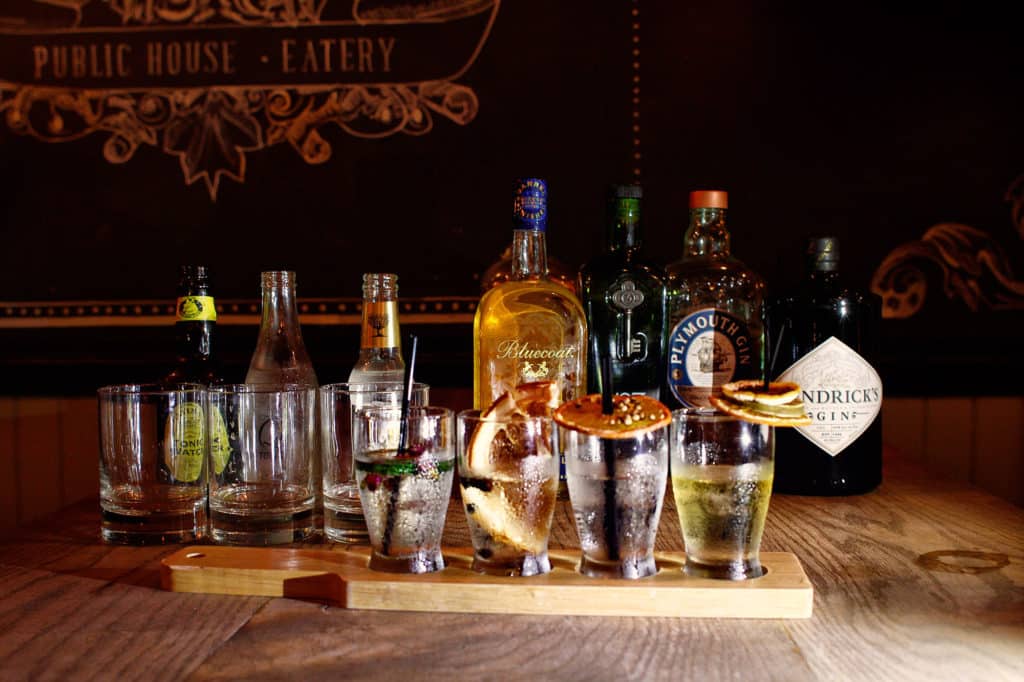

A great gin bar does more than pour a decent G&T. It creates a setting where botanicals, technique, glassware, service, and atmosphere all work together. When that balance is right, you notice it almost immediately. The drink arrives cold enough to hold its structure, the garnish actually suits the spirit, the tonic has not bulldozed the gin, and the person behind the bar can tell you why they chose that pairing without sounding rehearsed.
The problem is that many places use the phrase gin bar loosely. Some have a long back bar filled with bottles but little understanding of how to serve them. Others know their spirits well but forget comfort, pacing, and hospitality. If you care about what is in the glass, and you should, choosing the right gin bar is less about chasing the biggest selection and more about judging the whole experience.
After years of visiting hotel lounges, neighborhood cocktail dens, specialist gin bars, and a fair number of overhyped openings, I have found that the best venues tend to share a handful of qualities. They respect the spirit, they understand context, and they make good choices feel effortless.
What separates a true gin bar from a bar that simply stocks gin
The first thing worth saying is that quantity alone means very little. A wall of 200 bottles can be impressive for the first thirty seconds, then disappointing once you realize most of them are there for display, half the staff cannot describe them, and the menu treats every gin exactly the same. A serious gin bar curates rather than hoards.
That curation shows up in several ways. You will usually find a range of styles rather than ten slight variations of London Dry. There should be juniper-forward classics, of course, but also citrus-led gins, herbaceous bottlings, floral expressions, contemporary styles with softer juniper, and ideally a few local or small-batch options worth discussing. The point is not novelty for its own sake. The point is to give guests meaningful choice.
Technique matters just as much. Gin is often treated as an easy spirit because it plays well in simple drinks. That is exactly why poor standards show so clearly. A Martini exposes temperature problems in seconds. A Gin & Tonic reveals whether the bar understands dilution, carbonation, and garnish. A Negroni tells you how seriously the bar treats balance. You do not need an elaborate signature menu to spot quality. One well-made classic will tell you plenty.
Then there is the human side. In a proper gin bar, staff should be able to steer you without making you feel tested. You might say you like something bright and crisp, or soft and floral, or resinous and dry, and they should translate that into a useful recommendation. If the response is a vague gesture toward the shelf or a hard sell on the most expensive pour, that is a warning sign.
Start with the kind of night you actually want
People often choose bars backward. They start with reputation, social media photos, or a “best of” list, and only then think about whether the place suits the occasion. A gin bar for a quick pre-theater drink is not the same as a gin bar for a date, a business meeting, or a long evening with friends who want to taste through different styles.
If you are planning a quiet conversation, acoustics and seating matter more than having fifty house infusions. I have been to technically excellent bars where every cocktail was immaculate, yet the room was so loud that it killed the evening. On the other hand, a small bar with a focused gin list, attentive staff, and enough personal space can feel far more luxurious than a larger venue with grander branding.
For a tasting-minded visit, you want a place that offers flexibility. Half measures, flights, or bartenders willing to split tonic pairings between two guests can transform the experience. For a celebratory night, energy matters more. In that case, the perfect gin bar might be one with a broader menu, stronger atmosphere, and enough confidence to keep the room lively without turning service into chaos.
The best choice is situational. That sounds obvious, but it is where many disappointing nights begin.
The bottle selection should show intent
When I scan a back bar, I am looking less for famous labels than for evidence of thought. A good range usually tells a story about style, geography, and use. You want to see enough diversity to compare expressions meaningfully, but not so much clutter that the list becomes dead inventory.
A balanced gin bar will usually stock established benchmark bottles alongside more adventurous picks. Benchmarks matter because they anchor the menu. A classic London Dry gives bartenders a dependable base for Martinis, Gimlets, and Collinses. More modern gins can then be used where their particular character adds something valuable, perhaps a savory note in a Martini variation or a softer floral profile in a long drink.
Local selection is another revealing detail. A bar that includes regional distilleries, and can explain why they chose them, often has a more engaged buying philosophy. Not every local gin is good, and not every imported gin is better. What matters is whether someone has tasted thoughtfully and stocked deliberately.
Price spread matters too. An excellent gin bar should not force every guest into premium spending. There should be strong entry-level pours, mid-range bottles with real character, and a few higher-end options for those who want them. The presence of rare or expensive labels means very little if the affordable choices are dull or badly served.
Tonic, ice, and garnish are not afterthoughts
This is where many bars lose me. They spend heavily on spirits, then sabotage them with flat tonic from an open bottle, cloudy ice, or garnish that seems chosen for appearance alone. In a gin bar, the supporting elements matter because gin is so aromatic and so easily pushed off course.
Tonic should be fresh, cold, and chosen with some sense of proportion. A delicate gin paired with aggressively bitter tonic can disappear. A dry, juniper-heavy gin may stand up beautifully to it. Some bars carry several tonic waters but never explain the differences. Others keep only one, but use it correctly and serve better drinks. Again, curation beats excess.
Ice quality is not glamorous, but it affects everything. Large, clear cubes or solid spear-style ice for stirred drinks signal attention to dilution and temperature. For a Gin & Tonic, generous ice is essential. A glass half-filled with small wet cubes melts quickly, waters down the drink, and wastes the spirit.
Garnish is where fashion often outruns judgment. There was a stretch when every gin serve seemed to arrive looking like a small greenhouse. Peppercorns, rosemary, dehydrated citrus wheels, edible flowers, cucumber ribbons, berries, and herbs all competing for space. It looked dramatic, and often smelled chaotic. The best garnish should amplify a note already present in the gin or add a clean contrast, not bury the drink under a salad.
A bartender once served me two G&Ts side by side using the same gin, one with grapefruit peel and one with rosemary. The grapefruit version lifted the citrus oils and sharpened the finish. The rosemary dragged the drink into something medicinal. That single comparison was more useful than any menu description.
How to read the menu before you order
A menu can tell you whether the bar understands gin before you even speak to anyone. First, look at how the classics are treated. If Martinis, Negronis, Gimlets, Tom Collinses, or Gin Fizzes are present, are there notes about style, ratio, or gin choice? They do not need to be overwritten, but some specificity is a good sign. “Martini” with no mention of dry, wet, dirty, twist, olive, or house preference can suggest a vague approach.
Second, read the signature drinks closely. Are they built around the gin, or could the base spirit be swapped out without changing much? Too many cocktail menus use gin as a neutral vehicle for syrups and juices, which misses the point. Gin should contribute Gin Bar structure and aroma. If every house drink includes three liqueurs, a flavored syrup, and smoke, the bar may be more interested in spectacle than spirit.
Third, consider range. A thoughtful menu usually includes at least a few cleaner, more spirit-forward options alongside brighter, easier drinks. Not everyone wants a boozy stirred cocktail, but a gin specialist that avoids them entirely may be hiding a technical weakness.
If you are unsure, order a simple classic first. A Martini is an exacting test, though not everyone wants to begin there. A Gin & Tonic is less intimidating and just as revealing in a different way. A bar that gets the basics right generally earns trust for a second round.
Service is where expertise becomes hospitality
Knowledge without warmth can feel like a lecture. Warmth without knowledge can feel careless. The best gin bars combine both. They ask useful questions, listen to the answers, and respond without turning the interaction into a performance.
You should be able to say, “I usually like citrusy gins, not too floral,” and get a recommendation that reflects actual understanding. Better still if the bartender can offer context, perhaps suggesting one option that fits your comfort zone and another that nudges you somewhere new. That kind of guidance signals confidence.
Good service also means pacing. In a strong gin bar, staff know when to explain and when to let the drink speak. They notice whether a guest wants to talk spirits in detail or simply enjoy a well-made cocktail. This matters more than people think. I have had brilliant drinks made less enjoyable by an overlong monologue, and modest drinks elevated by bartenders who read the table perfectly.
Watch how they handle corrections or preferences. If you ask for a drier Martini, a different tonic, or a lighter garnish, does the bar respond professionally? The answer tells you a lot about its culture. Serious places tend to welcome precision because they care about outcomes.
The room should support the drink
Atmosphere can sound secondary, but it shapes how a bar performs. Gin is a spirit of nuance. If the room is too bright, too loud, too rushed, or physically uncomfortable, subtle pleasures are harder to notice.
Lighting should let you see your drink without making the bar feel clinical. Seating should encourage staying long enough for a second round. Table spacing matters. So does bar height. These practical details are often overlooked in glowing reviews, yet they determine whether a place feels generous or cramped.
Temperature is another quiet factor. A room that runs too warm can flatten the pleasure of crisp drinks. So can poor ventilation if the space is packed. Some of the best specialist bars I have visited were not visually dramatic at all. Their strength was restraint. Comfortable stools, sensible acoustics, clean surfaces, proper stemware, and enough space for staff to move without colliding into guests. None of that makes flashy content online. All of it improves the experience.
A gin bar should also feel coherent. If the branding, playlist, menu language, and service style pull in different directions, the evening can feel oddly disjointed. Coherence does not require luxury. A casual neighborhood gin bar can be every bit as satisfying as a polished hotel venue if it knows what it is.
Location, timing, and crowd are part of the decision
A superb bar at the wrong hour can feel average. An excellent team can be swamped on Saturday at 9 p.m., while the same room on a Wednesday at 6 p.m. Feels attentive and graceful. Timing changes everything from music volume to ticket times to the bartender’s ability to discuss a bottle in any depth.
If you really want to evaluate a gin bar, go early or on a quieter night first. You will get a clearer sense of the service, the pace, and the technical standards. Peak-time visits are useful too, because they show whether the bar can maintain quality under pressure, but they are a harsher environment in which to form first impressions.
Location matters for practical reasons as well. If the bar is part of a larger night out, consider whether the area supports the plan. A hidden basement bar can be a thrill when you are in the mood for discovery, and a nuisance when you just want one drink before dinner. The perfect choice is not always the best bar on paper. Sometimes it is the one that fits the evening with the least friction.
Price should feel justified, not merely elevated
Gin bars can drift into a strange form of pricing where every drink carries a premium simply because the category has become fashionable. Higher prices are not inherently unreasonable. Better spirits, trained staff, quality ice programs, premium mixers, and city-center rent all cost money. What matters is whether the glass reflects the charge.
Value in a gin bar comes from a mix of factors: spirit quality, pour size, technical execution, comfort, and service. A relatively expensive Martini can be worth every penny if it is cold, exact, beautifully diluted, and served with care. A cheaper one can feel wasteful if it arrives tepid and unbalanced. The same logic applies to G&Ts. A simple highball can justify a premium if the gin is good, the tonic well chosen, the ice generous, and the proportions right.
Be alert to vague premium language. Terms like “reserve,” “craft,” or “artisanal” do not mean much on their own. Menus that explain what distinguishes a pour, perhaps a specific distillation style, a notable botanical profile, or a limited release, usually inspire more confidence than menus that lean on status cues.
A few questions worth asking before you settle in
If you are choosing between several places, a short bit of homework can save a mediocre night. You do not need to interrogate the bar, just gather enough information to see whether it matches your standards.
- Ask whether they offer a dedicated gin menu or staff recommendations by style.
- Check if they make a proper Martini, not just a default one-size-fits-all version.
- Find out whether they carry more than one tonic and whether pairings are intentional.
- Look for signs that glassware, ice, and garnish are handled with care.
- If you want to taste, ask whether half pours or flights are available.
Those five points cover more ground than a generic online rating ever will.
Red flags that usually predict disappointment
Not every flawed detail is fatal, but some patterns repeat often enough to take seriously. One weak drink can happen anywhere. A combination of weak signals usually tells the truth.
- Every gin recommendation starts with price, rarity, or strength rather than flavor.
- Garnishes are elaborate but unrelated to the spirit in the glass.
- The tonic arrives already mixed in a warm balloon glass with too little ice.
- Staff know brand stories but struggle to describe how the gins actually taste.
- The menu treats gin as a backdrop for sugar, fruit, and novelty effects.
I have ignored each of these at least once, usually because the room looked promising. I have almost always regretted it.
Matching the gin bar to the drinker
Different guests value different things, and a smart choice takes that into account. Someone newly interested in gin often does best in a bar that offers guided recommendations and approachable classics. They need translation more than they need a rare bottle list. A seasoned Martini drinker may care more about temperature, dilution, vermouth handling, and whether the bar can discuss ratios with confidence. A group with mixed tastes might be happiest in a venue that takes gin seriously without becoming doctrinaire.
This is one reason the “best gin bar” is such a slippery idea. The most encyclopedic bar may be heaven for enthusiasts and exhausting for casual drinkers. The stylish hotel bar with perfect service may be ideal for clients and slightly too polished for friends who want a loose, lively evening. Specialty matters, but fit matters more.
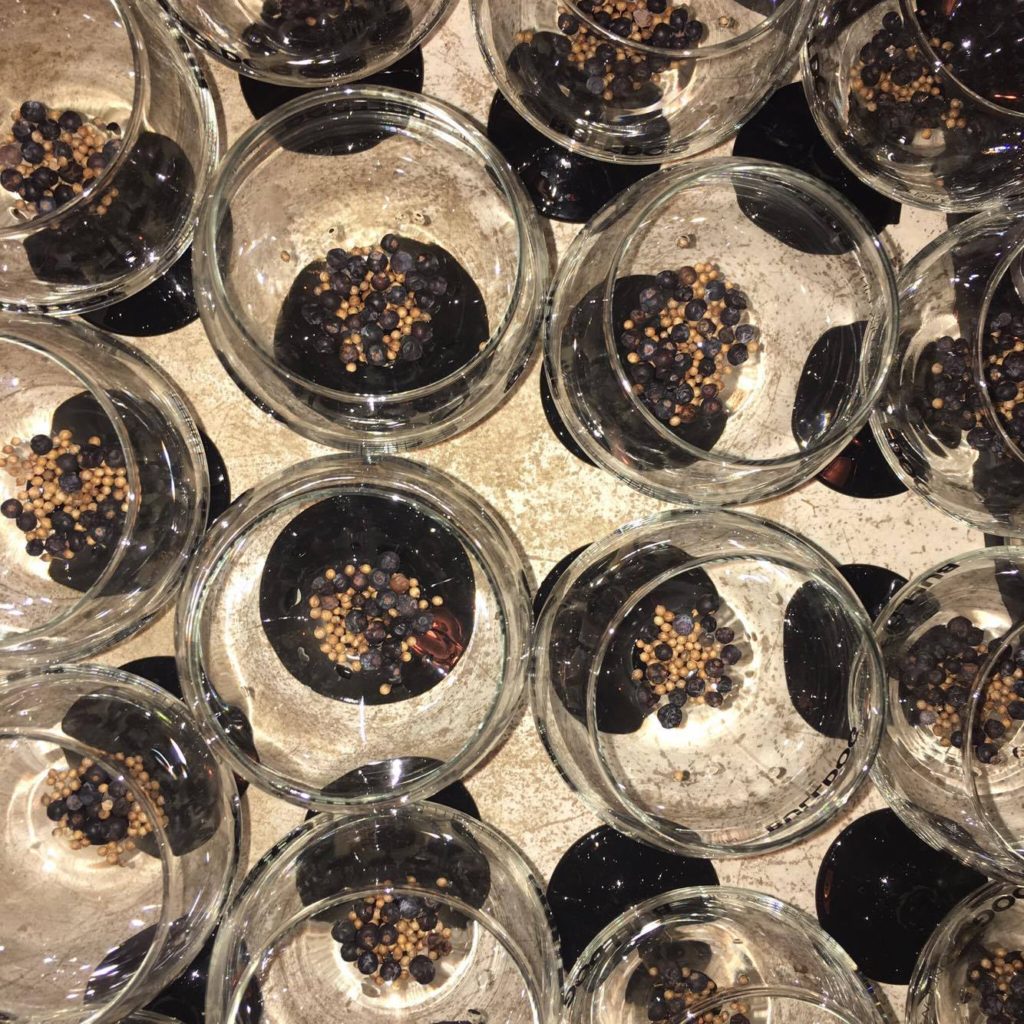
I have taken gin-loving friends to highly regarded bars only to realize halfway through that what they wanted was not an education but ease. On other nights, I have watched a sharp bartender turn a curious newcomer into a genuine enthusiast with one side-by-side tasting and a clean explanation of why juniper, citrus peel, angelica, ororris root matter in the glass. A great gin bar can do both, but not all try to.
Why the best choices often feel understated
One thing experience has taught me is that the perfect gin bar rarely announces itself too loudly. It may have a handsome room and a deep list, but its confidence tends to show in smaller ways. The freezer is cold enough. The stemware is polished. The bartender tastes a stirred drink before serving it. The tonic is opened fresh. The garnish is restrained. Questions are answered clearly. Recommendations are specific. Nothing feels improvised, yet nothing feels stiff.
That kind of place earns repeat visits because it respects both the spirit and the guest. It makes room for expertise without making a ceremony of it. And it understands something fundamental about gin: for all its variety, it rewards precision more than showmanship.
When you find a gin bar that gets these details right, hold onto it. Go at different hours. Try the classics before the signatures. Sit at the bar at least once and listen to how the staff talk about what they pour. Over time, you will notice that the bars worth returning to are not necessarily the ones with the biggest claims. They are the ones where judgment is visible in every small decision, from bottle selection to ice to the final twist of citrus over the glass.
That is usually where the perfect Gin Bar reveals itself, not in the marketing, but in the measure.
The Winslow
243 E 14th St
New York, NY 10003, United States
Phone: +1 212-777-7717
FAQ About Gin Bar
How to do a gin tasting?
Start with a small pour and gently smell the gin before taking a small sip. Notice its juniper, citrus, floral or spice notes, then compare how the flavor changes with a little water or tonic. At a gin bar, ask the bartender to explain the selection and botanical pairings.
How to make the best tasting gin and tonic?
Use chilled gin, fresh tonic and plenty of ice. A common starting ratio is one part gin to two parts tonic, adjusted to taste. Choose a garnish that complements the gin's botanicals and stir gently to preserve the bubbles.
What is the smoothest tasting gin?
There is no single smoothest gin for everyone. Perceived smoothness depends on the botanical recipe, alcohol strength, serving temperature and mixer. Describe whether you prefer citrus, floral, herbal or juniper-forward flavors so a bartender can suggest a suitable style.