How to Read a Gin Bar Menu Like an Expert
Walk into a serious gin bar and the menu can feel less like a drinks list and more like a compact field guide to an entire spirit category. You may see London Dry, Old Tom, Navy Strength, contemporary, sloe, barrel-rested, house tonic pairings, botanical flights, martini service notes, and page after page of bottles arranged by region or style. For anyone who likes gin but does not spend weekends comparing juniper intensity, that can be a lot to decode from a barstool.
The good news is that a gin menu is usually more revealing than it first appears. Once you understand how bars organize gin and what certain words signal, the menu stops being intimidating and starts becoming useful. You can tell which bottles will hold up in a martini, which ones are likely to taste citrus-led and bright in a highball, which are softer and more floral, and which choices are better admired in small pours rather than drowned in tonic. That is the difference between ordering randomly and ordering well.
A good bartender can always guide you, and in the best gin bar settings they are happy to do it. But reading the menu with some fluency changes the conversation. Instead of asking, “What’s good?” you can say, “I usually like classic juniper-forward styles, but tonight I want something with a little more spice, not too perfumed, and I’m deciding between a martini and a gin and tonic.” That is expert-level ordering, not because it sounds fancy, but because it gives the bar something precise to work with.
Start with what the menu is trying to tell you
Not all gin lists are built the same way. Some bars arrange bottles by country. Some sort them by style. Some group them by recommended serve. The smartest menus do a bit of all three. If you are reading quickly, look for the organizing principle first. It tells you what the bar cares about and often hints at its strengths.
A menu that leads with martinis, gin and tonic pairings, and neat pours is signaling a spirit-first approach. A menu that devotes more space to signatures and flavored tonics may still have excellent gin, but the experience is likely more cocktail-driven. Neither is inherently better. They simply ask different things of the bottles behind the bar.
If you see short tasting notes beside each gin, pay attention to the nouns, not just the adjectives. “Juniper, lemon peel, coriander” tells you more than “smooth, elegant, balanced.” Good menus describe aroma and structure. Vague menus tend to leave more work to the bartender. That is fine if the team is strong, but less helpful if you are trying to make your own call.
Also notice whether the menu separates gin from gin liqueurs, flavored gin, and sloe gin. In a proper gin bar, those categories matter. Sloe gin, for example, is delicious, but it is not the same thing as a dry gin. A list that collapses them into one bucket can create confusion for guests who assume every item behaves the same in a mixed drink.
Learn the few style labels that matter most
You do not need a certification course to read a gin menu well. You need a working grasp of a handful of terms that show up again and again.
London Dry is the most useful anchor. It does not mean the gin was made in London, and it does not simply mean dry in the everyday sense. It refers to a production style with strict rules, and in practical tasting terms it usually means a clean, crisp gin with no added sweetening after distillation. Juniper should be clearly present. If you like classic martinis, strong gin and tonics, or a traditional Negroni, London Dry is often the safest and best starting point.
Plymouth is a protected style from Plymouth, England. It tends to read softer and slightly earthier than many London Dry gins, with a roundness that can be very appealing in stirred drinks. If a menu carries Plymouth Gin, it often attracts people who want classic structure without an overly sharp juniper edge.
Old Tom is lightly sweeter than London Dry, though the sweetness can be subtle. In the right cocktail, that touch of softness is transformative. A Tom Collins made with Old Tom can feel fuller and more integrated than one made with a very dry gin. If a bar offers historical or nineteenth-century classics, Old Tom is often there for a reason.
Navy Strength usually means higher proof, often around 57 percent ABV. That extra alcohol is not just heat. It carries botanicals more forcefully and stands up exceptionally well to dilution and mixers. In a gin and tonic, a Navy Strength gin can remain vivid even over a lot of ice. In a martini, it can deliver tremendous structure. It can also overwhelm delicate palates if ordered carelessly.
Contemporary or new western gin often downplays juniper in favor of citrus, floral, herbal, or spice notes. Some are excellent, but they can surprise people who expect piney backbone. If you have ever ordered a gin and tonic and wondered why it tasted of cucumber, rose, or lavender more than juniper, you were probably in contemporary territory.
These labels are useful because they predict behavior. A gin bar menu is not only telling you what a bottle tastes like on its own. It is telling you how it is likely to perform in the glass you want.
Read botanicals as structure, not decoration
Many menus list botanicals because they sound attractive. Orris root, angelica, grains of paradise, cubeb, meadowsweet, citrus peel, sea kelp. It can read like a garden tour. The expert move is to stop treating these as pretty words and start reading them as clues to structure.
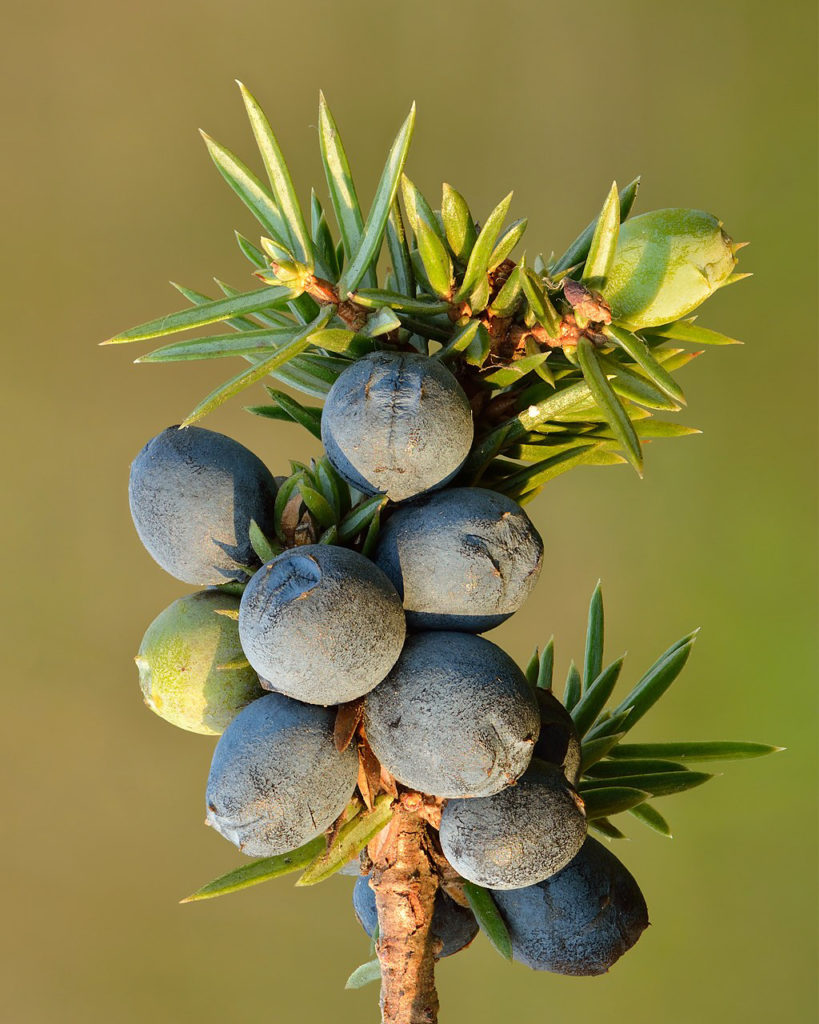
Juniper is the spine. If it is not noticeable in the description, or if a menu leads with lavender, hibiscus, cucumber, or tropical fruit, expect a more modern and less classic profile. That does not make it bad. It just means it may not satisfy someone who wants the stern snap of a classic dry gin.
Citrus peel suggests brightness and lift. Lemon and bitter orange often create a sharper, drier impression. Grapefruit can feel more fragrant and expansive. Coriander often supports citrus in gin, giving an almost lemony spice that lifts the palate. Angelica and orris tend to help bind and lengthen the finish. Spice notes like cardamom, cassia, and pepper usually add warmth and complexity, especially in cooler-weather serves. Floral notes such as rose, chamomile, and elderflower can be beautiful, but they can also dominate quickly, especially with tonic.
One thing bartenders learn quickly is that some botanicals bloom in certain formats and flatten in others. A heavily floral gin may smell enchanting in a neat sample and become cloying in a full gin and tonic. A robust juniper-and-citrus bottle that seems severe neat can become perfect over ice with carbonation. That is why menus that include “best served in” notes are worth taking seriously. They are not merely upselling a house serve. Often, they are steering you toward the format where the gin actually works best.
Know what the tonic pairing is doing
At a dedicated gin bar, tonic is rarely an afterthought. That matters because tonic changes gin more than many drinkers realize. A sharp, quinine-forward tonic can bring out bitterness and dry spice. A sweeter tonic can soften rough edges and amplify citrus. Aromatic tonics, especially those with herbs or elderflower, can tilt a gin into a completely different register.
When the menu suggests a specific tonic for a specific gin, read that suggestion as part of the drink’s design. If a bar recommends a light tonic with a delicate floral gin, they are trying not to bury the spirit. If they pair a rich, spicy, high-proof gin with a robust tonic and a big slice of grapefruit, they are building a louder, more structured drink.
There is a practical lesson here for guests. If you want to understand a gin, do not ask for too many modifications at once. Changing the tonic, garnish, and ice format can turn a considered pairing into a random experiment. Of course, personal preference matters. If you hate cucumber, say so. If you dislike sweet tonics, mention it. But the more serious the gin bar, the more likely the default serve has been tested repeatedly.
I have watched guests dismiss a gin after ordering it with an aggressively flavored tonic that the menu did not recommend. The result was predictable. The garnish took over, the tonic shouted, and the gin disappeared. The lesson was not that the gin was poor. It was that context matters.
The martini section reveals how serious the bar really is
If a gin bar has a martini section, read it carefully. It tells you more about the bar’s understanding of gin than almost anything else on the menu.
First, see whether the menu gives any clue about vermouth choices. A bar that names the vermouth, or offers a choice of style, is paying attention. Vermouth is not just a modifier. It shapes texture, aroma, and dryness. A clean London Dry with a crisp French vermouth creates one kind of martini. The same gin with a more herbal or weighty vermouth creates another.
Second, notice whether the menu discusses ratio, temperature, or garnish. A serious bar may not print all of this, but the presence of any detail suggests care. A very cold martini suppresses some aroma and makes alcohol feel tighter. Slightly warmer service can reveal more botanical character. Lemon twist emphasizes brightness. Olive introduces salinity and savory depth. If the bar offers a Gibson garnish, with pickled onion, that is another sign that someone behind the menu has thought beyond the basics.
Third, use the bottle descriptions to predict martini performance. Juniper-forward, citrus-led, dry styles usually give the clearest martinis. Soft floral gins can work, but they often need more careful vermouth selection and a restrained hand. Barrel-rested gin can be intriguing in a martini but tends to be for people who already know they like those crossover flavors. If you are choosing blind, classic dry styles are still the benchmark for a reason.
One small mark of expertise is knowing when not to order the most unusual gin in the martini. Some bottles are fascinating neat and disappointing once chilled and diluted. Others seem modest on the page and become brilliant when stirred cold with vermouth. The menu gives hints, but experience teaches the deeper rule: complexity does not always translate to elegance.
Region can hint at style, but it is not destiny
Menus often group gin by country or city, and that can be helpful if you know how lightly to hold the information. British gin still dominates the category’s historical center of gravity, so many classic profiles sit there. Spanish gin bars helped popularize expansive balloon glasses, abundant garnishes, and a more theatrical gin and tonic culture. Japanese gins often highlight regional botanicals such as yuzu, sansho, green tea, or sakura, though the category is broader than that stereotype suggests. Australian producers frequently work with native botanicals and can produce strikingly aromatic bottlings.
These are tendencies, not guarantees. Some of the most classic juniper-driven gins now come from outside Britain. Some British brands are among the most modern and unconventional on the shelf. Read region as a conversation starter, not a verdict.
If you are in a gin bar with an international selection, a useful habit is to compare within a style rather than across a map. A London Dry from England versus one from Japan thewinslownyc.com Gin Bar versus one from the United States can teach you more than simply trying three bottles from the same country. You start to notice how producers interpret the same basic framework differently. One may be more rooty and dry, another more citrus-bright, another more peppery. That is how your palate gets sharper.
Price often signals serving intent, not just prestige
Guests often assume a more expensive gin must be better. In bars, price reflects more than quality. Import costs, bottle rarity, alcohol strength, serving size, and brand positioning all play a role. A pricey pour may be rare, labor-intensive, or simply expensive to source. It may also be less versatile in mixed drinks.
If a menu offers premium gin and tonic serves at a significant markup, look at what is included. Some bars build those serves in larger glasses with more ice, custom garnish, and a better tonic. Sometimes the upcharge is fair. Sometimes it is mostly theater. A giant goblet with half a produce drawer clipped to the rim looks impressive, but it does not always drink better.
The same goes for gin flights. They can be a very good way to learn a menu, especially if the pours are small and the selection has a logic behind it, perhaps classic dry versus contemporary, or regional comparison, or lower proof versus Navy Strength. But a flight without context can be a blur by the third glass. Gin is aromatic, and aromatics fatigue the palate quickly. If you order a flight, ask what order the bar recommends and whether there is a progression from lighter to more assertive styles.
Ask better questions and you will get better drinks
A strong gin bar team can usually work around an incomplete order, but precise questions lead to dramatically better results. Instead of asking for the “best” gin, describe what you enjoy in terms of structure. Juniper-forward or softer. Citrus-led or spice-led. Dry or lightly rounded. Better in a martini or better with tonic. Those are useful distinctions.
When guests say they do not like gin, they often mean they do not like one narrow expression of gin. Some dislike heavy juniper. Others dislike floral modern styles. Others have only had poor gin drowned in sugary tonic. The menu becomes easier to navigate once you separate these reactions.
A practical way to speak with the bartender is this:
- Name the format first, such as martini, gin and tonic, or neat.
- Describe the profile you usually like or dislike.
- Mention one constraint, such as no cucumber, not too floral, or nothing too high-proof.
- Ask for one recommendation and the reason behind it.
That short exchange tends to produce much better outcomes than vague enthusiasm. It also tells you how well the bartender knows the list. A good answer should be specific. “This one has strong juniper and orange peel, so it cuts nicely through tonic,” is useful. “This one is premium,” is not.
Watch for menu language that hides more than it reveals
Certain words appear on spirit menus because they sound appealing, but they are not always informative. Smooth, premium, small batch, handcrafted, and balanced can all be true and still tell you almost nothing about flavor. That does not mean the gin is bad. It means the menu is asking you to trust branding instead of taste description.
Look for concrete cues instead. ABV matters. A gin at 40 percent and one at 57 percent will behave differently, even if the botanicals overlap. Suggested garnish matters. A recommendation of lemon peel, rosemary, or pink grapefruit usually reflects which notes the bar wants to emphasize. Production details can matter too. Vacuum distillation, fresh citrus distillation, or post-distillation infusion may shape aroma and texture, though these details are most helpful when tied to taste.
A strong menu will balance romance with function. It might mention provenance or unusual botanicals, but it should still equip you to imagine the drink. If it does not, that is when bartender guidance becomes essential.
House signatures can teach you what the bar values
Do not skip the cocktail section, even if you plan to order a simple serve. Signature drinks often reveal which gins the bar believes in and how they think certain bottles perform. If the same gin appears in several cocktails, there is probably a reason. It may be versatile. It may be a staff favorite. It may simply be a commercial relationship, but experienced bars usually do not design repeated drinks around a spirit that does not carry well.
Pay attention to how the gin is being used. If a particular bottle shows up in long drinks with citrus and tonic, the bar may see it as bright and refreshing. If it is featured in stirred cocktails with vermouth, bitters, or fortified wine, the bar likely values its structure. If it appears in delicate, aromatic drinks, expect a more nuanced botanical profile.
There is also a useful inverse reading. If a famous gin on the back bar barely appears anywhere, the bar may stock it because guests expect to see it, not because the staff loves working with it. Menus rarely say that outright, but patterns tell the story.
Tasting like an expert means comparing, not collecting
People sometimes confuse expertise with breadth, as if ordering the rarest bottle is the smartest move. Real expertise is comparative. You learn faster by tasting two thoughtfully chosen gins side by side than by trying one exotic bottle with no reference point.
At a gin bar, that can be as simple as ordering a half-pour neat before committing to a full drink, if the bar allows it. Or asking whether two candidate gins can be described in relation to each other. “This one is drier and more juniper-led. That one is softer, with more citrus and spice.” Those comparisons are how knowledge sticks.
If you are exploring, pace matters. Gin’s aromatic intensity can make everything after the second or third sample seem flatter than it is. Water helps. Food helps more than many people think, especially salty snacks, neutral bread, or simple bar fare. Strongly spiced food can warp your perception for a while, which is worth remembering if you are trying to make careful distinctions.
The real mark of confidence
Reading a gin bar menu like an expert is less about memorizing brands than about understanding cues. You are looking for style, structure, likely serving strengths, and the bar’s own point of view. You are reading for what the bottle will do in a glass, not just for what it is called.
That confidence changes the whole experience. You stop chasing prestige and start choosing with intent. You notice when a menu is thoughtfully built. You spot when tonic pairings are meaningful. You understand why one gin belongs in a bracing martini while another shines in a bright, easy highball. You also become better at asking for help, which is one of the most underrated bar skills there is.
The best gin bars reward curiosity. They are full of tiny decisions about dilution, garnish, temperature, proof, and botanical emphasis, and those decisions shape what arrives in front of you. Once you know how to read the menu, you are no longer decoding jargon. You are seeing the drink before it is made.
The Winslow
243 E 14th St
New York, NY 10003, United States
Phone: +1 212-777-7717
FAQ About Gin Bar
How to do a gin tasting?
Start with a small pour and gently smell the gin before taking a small sip. Notice its juniper, citrus, floral or spice notes, then compare how the flavor changes with a little water or tonic. At a gin bar, ask the bartender to explain the selection and botanical pairings.
How to make the best tasting gin and tonic?
Use chilled gin, fresh tonic and plenty of ice. A common starting ratio is one part gin to two parts tonic, adjusted to taste. Choose a garnish that complements the gin's botanicals and stir gently to preserve the bubbles.
What is the smoothest tasting gin?
There is no single smoothest gin for everyone. Perceived smoothness depends on the botanical recipe, alcohol strength, serving temperature and mixer. Describe whether you prefer citrus, floral, herbal or juniper-forward flavors so a bartender can suggest a suitable style.